Homeowners usually focus on shingle colors and the price of new roof work. The warranty feels like fine print until a nor’easter hits, a leak shows up in a bedroom ceiling, and you start flipping through a stack of paperwork. A strong warranty is part of the roof system, not an afterthought. In New Jersey, where coastal wind, freeze-thaw cycles, and humid summers test every assembly on your house, knowing what coverage you have is as practical as choosing the right shingle.
I have walked more roofs than I can count from Sussex County ranches to Cape May capes. The patterns repeat: roofs fail for predictable reasons, and warranty outcomes follow the same logic. If you understand how manufacturers and contractors frame their obligations, you can set expectations, avoid headaches, and even nudge new roof cost decisions in your favor.
Warranty basics you actually use
Most asphalt shingle replacements in New Jersey come with two layers of protection. The manufacturer warranties the materials, and the roofing contractor warranties workmanship. They might be combined into a single registered “system” warranty if you buy enough components from one brand and use a certified installer.
Material warranties cover shingles and related branded parts against defects. Think factory mistakes that lead to premature cracking, blistering, or granule loss within a defined period. If the shingles age out too quickly, the manufacturer typically pays for replacement materials based on a schedule. Some offer labor in specific windows, often early years only.
Workmanship warranties cover errors in installation. If your valley flashing is mis-lapped or nails sit high and wind catches them, this is a workmanship issue. Manufacturer coverage will not help you here. A reputable roofing contractor near me will provide a written workmanship term that spells out service commitments and exclusions.
Both warranties have conditions. If the roof is not ventilated properly, if unapproved nails are used, if a later roof repairman near me disrupts the assembly with mixed components, coverage can be reduced or voided. Many disputes I have seen trace back to those conditions rather than a leap-of-faith denial.
What New Jersey weather does to warranties
New Jersey sees four seasons with attitude. Cold snaps and quick thaws, heavy spring rains, tropical storm remnants moving fast up the coast, and salt-laden wind along the Shore all influence what coverage matters.
Wind coverage is a good example. Many architectural shingles advertise wind warranties up to 130 mph, sometimes higher with a specific nail pattern and starter strip. That number assumes clean installation to manufacturer specs. Coastal homes often catch gusts above 80 mph in severe events, which is within many wind warranties. But the claim still hinges on whether the roof met all installation criteria, including the correct starter shingles at eaves and rakes, six nails instead of four, and sealed time to bond strips. I have inspected roofs where the shingle was fine but nails were placed too high, and the wind uplift was ruled a workmanship failure, not a material defect.
Ice dams are another reality. Most New Jersey municipalities following the International Residential Code require an ice barrier (peel-and-stick underlayment) along the eaves to at least 24 inches inside the interior wall line. If an attic has poor insulation or ventilation, snow melt can refreeze at the eaves and back water up under the shingles. Manufacturers typically do not cover water backup from ice dams by default. If your roof includes a full-width leak barrier and you still get backup through a faulty shingle seal, you might have a case. More often, the issue ties back to ventilation or heat loss, which is outside warranty coverage.
Algae streaking is common in humid summers, especially on north-facing slopes shaded by trees. Many brands offer 10 to 15 years of algae stain resistance. This helps keep your roof looking clean, but it is not a structural promise. If you live near the Shore, that algae warranty matters cosmetically, but it will not cover performance failures.
How long coverage really lasts
The term “lifetime” in a shingle warranty sets expectations high, then the fine print brings them back to earth. Here is what I see across major brands like GAF, Owens Corning, and CertainTeed, all active with roofing companies in New Jersey. GAF even has headquarters in Parsippany, so their certifications are common across the state.
- Early period full coverage: Typically the first 10 years, sometimes 15 to 20 if you buy a full-system warranty through a certified installer. In this period, if shingles are found defective, the manufacturer often covers replacement shingles and a portion or all of the labor to remove and replace, sometimes including disposal. Prorated period: After the initial coverage, payout steps down. The manufacturer will supply materials or a credit based on the roof’s age, not labor. If your shingles fail at year 18 on a basic limited warranty, you might get materials prorated to that age and be on the hook for labor. Wind coverage duration: Often matches the non-prorated period, then keeps going, but with proration or conditions. Uplift claims are highly sensitive to installation proof. Algae coverage: Commonly 10 to 15 years, usually material only, and limited to specific visible staining criteria.
Contractor workmanship terms vary wildly. I have seen 5-year, 10-year, 25-year, and lifetime workmanship promises. The length often matches the contractor’s stability and training. A lifetime workmanship warranty from a one-truck outfit can be worth less than a 10-year term from a stable firm that has been on the same street corner for 30 years. If you are browsing for a roofing contractor near me, look past the headline term and ask how service calls are handled in years 7, 12, and 18.
System warranties and why they cost more
System or enhanced warranties combine the manufacturer’s material coverage with extended non-prorated periods and sometimes labor, but they come with rules. You must use a certified installer and install a minimum set of branded components, usually starter shingles, underlayment, leak barrier at eaves and valleys, hip and ridge caps, and often a specific ventilation product. The idea is simple: one company stands behind a unified assembly, not a mix of brands and parts.
I have watched homeowners debate whether this is upsell fluff. In New Jersey’s climate, the extended non-prorated labor coverage in the first 20 to 25 years can be valuable. It means if a latent manufacturing defect surfaces, you are not negotiating labor credits. The trade-off is price. Depending on roof size and the certification tier, a system warranty can add several hundred to a few thousand dollars to the residential roofing companies NJ price of new roof work, largely because you are buying branded accessories and the contractor pays a registration fee. On steep coastal homes where access is difficult and labor is a big line item, that front-loaded protection can make sense.
What is not covered, even if it feels unfair
Every claim lives in the exceptions. These are the carve-outs I see most frequently when a roof repair or replacement turns into a warranty question.
Manufacturers exclude damage from third-party work. Solar installations that pierce shingles, new bathroom vent cutouts done after the roof, satellite dish mounts, or a blown-off ridge vent replaced with an off-brand part can all compromise coverage. Before you bolt anything onto your roof, ask your roofer to coordinate penetrations and flashing.
Ventilation is a big one. If your attic runs hot and lacks balanced intake and exhaust, shingle temperatures climb and aging accelerates. Manufacturers expect you to meet their net free ventilation area guidelines. If you skip adding soffit vents because it is hard on an older house, you might lose coverage leverage later.
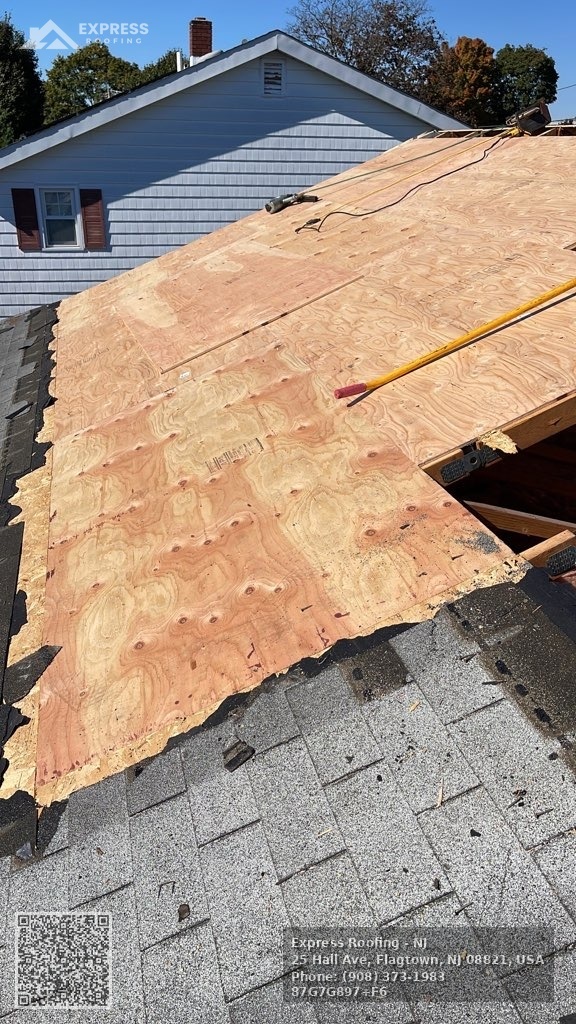
Plywood condition matters. If you install new shingles over spongy or delaminated decking, that is a workmanship error. When I do roof inspections before a replacement, I probe the deck at eaves and around chimneys. If we find rot, we price sheathing replacement up front. It is cheaper than a warranty fight after the fact.
Hail and puncture damage often fall outside material coverage unless you have specific impact-rated products. New Jersey sees hail, but not like the Plains. Insurers commonly handle hail; manufacturers typically do not.
Cosmetic mismatches during repairs are not guaranteed. If a manufacturer replaces a few squares of shingles under warranty at year 12, they will not promise a perfect color match to weathered product. Expect a patch to show.
Transferability when you sell
Many major shingle warranties allow a one-time transfer to a new owner, sometimes with a small fee, often between 50 and 150 dollars. The new owner might need to file paperwork within 30 to 60 days of closing. If the warranty is not transferred correctly, it can revert to a shorter total term. If you think you will sell within 10 years, ask your roofer to register the warranty in a way that keeps transfer simple. A transferable system warranty can help your listing stand out, especially when buyers are comparing roofing companies in New Jersey and trying to gauge future risk.
Workmanship warranties may or may not transfer. Some contractors keep the commitment with the property, not the owner, provided no other company has altered the roof. Others terminate at sale. Clarify this in writing.
What the paperwork should say before work starts
I like to see the scope of work and warranty items fully spelled out on the proposal, not as attachments you have to chase down later. The clearest contracts break the roof into assemblies: shingles, underlayment, leak barrier, flashings, ventilation, decking repairs, skylights, and chimney work. Each item then ties to a warranty term.
Here is a short checklist you can use to pressure-test warranties before you sign.
- Ask for the manufacturer and exact product line, plus any system or enhanced warranty tier being registered, with a copy of the sample certificate. Confirm the workmanship warranty length, what it covers, and how service calls are handled after year five. Verify ventilation calculations and what happens if existing soffit or ridge vents are inadequate. Spell out flashing work at chimneys, sidewalls, headwalls, and skylights, including whether flashings are replaced or re-used. Clarify deck repair pricing per sheet of plywood and how hidden rot is handled if found during tear-off.
Pay attention to permit handling. Most New Jersey towns require a permit and final inspection for a roof replacement. If you are quoted a lower price of new roof work because the contractor wants to skip permits, that is a red flag. Permits tie to code compliance on ventilation and ice barrier, which in turn affects warranty validity.
The claims process, without the runaround
When a leak appears or shingles misbehave, move methodically. Document the issue with photos from the ground and the attic. Note dates, weather conditions, and where water shows inside. Contact your contractor first for workmanship assessment. If they are out of business or unresponsive, contact the manufacturer’s warranty department. Most big brands dispatch an inspector or ask the contractor to provide samples and documentation.
Expect to prove installation compliance for wind or sealant-related claims. For material defects like premature cracking, the inspector will look for patterns across slopes and check nail placement. If your roof has a registered system warranty, have the certificate ready. If your issue ties to storm damage, that is an insurance claim, not a warranty claim. Your homeowners policy will set the pace. Do not let the two processes blur. I have seen homeowners lose time because each side waits for the other to move. Run them in parallel when appropriate.
Maintenance that keeps coverage intact
Most warranty documents call for “reasonable maintenance,” which in practice means you keep water moving and avoid avoidable damage. In New Jersey, I suggest a light maintenance rhythm in spring and late fall. Keep gutters clear, confirm downspouts discharge away from the foundation, and clear debris from valleys. Moss is less common than algae here, but shaded roofs can grow it. If it appears, use manufacturer-approved cleaners and avoid pressure washing. If trees overhang the roof, trim branches back to prevent abrasion.
Fasteners at pipe boots and flashing can back out over time with thermal cycling. A five-minute inspection during gutter cleaning can catch a proud screw before wind lifts a section. If you have skylights over 20 years old, budget for replacement with the roof, not later. Reusing old skylights to save money today often creates leak paths that are not covered.
Here are a few simple steps that reliably preserve warranty value.
- Keep your invoice, permit, registration certificate, and product labels. If a claim happens, paperwork speeds approvals. Do not mix brands during repairs. If a roof repairman near me swaps in generic ridge caps on a brand-specific system, you can jeopardize coverage. Coordinate solar or HVAC vent penetrations through your roofer. Leaks from third-party penetrations are rarely covered. Monitor attic ventilation. If you add insulation, keep soffit vents open and baffles clear so the roof can breathe. Call early if something looks off. A lifted ridge or small stain today can become a larger out-of-warranty issue by next season.
Specialized roofs: low-slope and coastal details
Not every New Jersey roof is a simple gable with shingles. Row homes and additions often have low-slope sections that need modified bitumen, TPO, or EPDM membranes. Those systems carry different warranties, commonly 10 to 30 years, with very specific flashing details at walls and penetrations. Ponding water exclusions are typical after a certain number of days, so ensure the contractor shows how water will drain. If you are replacing both pitched and flat sections at once, use one contractor who understands both. A unified scope prevents finger-pointing when a leak appears on the seam between systems.
Near the Shore, fasteners and metals suffer from salt exposure. I prefer stainless or corrosion-resistant fasteners and heavy-gauge aluminum or coated steel flashings. Some manufacturers require specific nails and accessories to maintain corrosion resistance claims within a certain distance from the ocean. Ask to see those requirements if you are in towns like Long Branch, Point Pleasant, or Wildwood.
How warranties influence new roof cost
Homeowners often ask for a single number for the price of new roof work, then learn quickly that the range is wide. In New Jersey, a typical asphalt shingle replacement on a 1,600 to 2,400 square foot home often runs from about 8,500 to 18,000 dollars, depending on slope, stories, access, and scope. Simpler, smaller homes with a single layer to remove can land in the 6,500 to 9,500 range. Premium laminated or designer shingles, complex roofs, multiple layers, and extensive flashing or decking work push costs upward. On a steep, three-story Victorian in Montclair or a large Shore colonial with complicated valleys and dormers, 20,000 to 35,000 is common.
Understanding the warranty component helps you read bids. A base bid using generic underlayments and re-used flashings will be cheaper. A system bid using branded ice barrier, synthetic underlayment, starter strips, and ridge caps with a registered enhanced warranty adds cost. The spread might be 800 to 3,000 dollars depending on size. If your budget is tight, ask about a hybrid approach that preserves key warranty value without buying every accessory. For example, use the brand’s leak barrier and starter and ridge components, plus proper ventilation, to qualify for stronger wind and non-prorated terms.
Decking replacement can be a swing cost. Expect a per-sheet price for 1/2 inch or 5/8 inch plywood, often 60 to 90 dollars per sheet installed in today’s market, plus disposal. If your eaves have rot from past ice dams, those sheets add up. Chimney flashing rebuilds and cricket additions range widely, but a simple counter-flash and step-flash reset commonly runs a few hundred dollars. Skylight replacements vary by size and brand; budgeting 1,000 to 2,000 per unit installed is typical for modern, flashed units and can be higher with interior finishing.
Metal roofs and premium composites shift the price curve. A standing seam metal roof in New Jersey can run two to four times the price of an asphalt roof, but also carries different warranty structures, often 30 to 50 years on finish and 20 to 35 years on weather-tightness with special installation certification. If you are comparing, make sure you are not judging apples with oranges on warranty terms.
Choosing a contractor who can deliver the warranty
A warranty is only as strong as the installer who registers it and stands behind their work. When you search roofing companies in New Jersey or type roofing contractor near me into a browser, focus on proof, not promises. Look for manufacturer certifications that match the products you want. Call references on projects three to seven years old, not just new ones, and ask how warranty service was handled. Request a certificate of insurance with your name and address listed as holder, and confirm state registration for home improvement work.
Good contractors talk about ventilation design, not just shingles. They pull permits without drama. They describe how they will protect landscaping and manage dumpsters on tight urban streets. They put their warranty in writing with clear start dates. They will warn you if your attic suffers from bath fans dumping moist air under the deck, because that is a warranty problem waiting to happen.
I have seen competent roofers price a job slightly higher than a competitor, then save the homeowner money over time by preventing callbacks and warranty voids. If you can, ask the estimator to walk the roof with you, point to trouble spots, and explain how the new assembly and warranty address them. That five-minute lesson does more to inform your choice than a glossy brochure ever will.
Repair versus replacement decisions through the warranty lens
Sometimes a roof is not ready for full replacement, and a targeted roof repair makes sense. A valley leak due to a missing shingle, a single cracked pipe boot, or a popped ridge vent can be fixed without tearing off the whole roof. If your shingles are under a system warranty, use a contractor authorized by the brand. Mismatched components can create headaches later. I have seen algae warranties denied because a third-party ridge cap did not carry the same copper content, and wind claims questioned after off-brand starter was used in a repair.
If your roof is near the expiration of its non-prorated period, weigh a proactive replacement. Material claims after proration often yield small credits that do not move the needle on labor. It can be smarter to schedule replacement in a calm season, choose the warranty structure you want, and start a fresh clock.
Insurance, depreciation, and where warranty fits
Storm claims create confusion because insurance and warranty language looks similar from a distance. Insurance covers sudden, specific events like a windstorm. Warranties cover defects or workmanship errors. If your insurer pays actual cash value, they deduct depreciation. If they pay replacement cost value, they release the depreciation after work is complete. Manufacturers do not mirror that. They either approve coverage based on defect and period, then supply materials or credits, or they do not. Keep the two paths separate. If a storm damaged your roof and you suspect a latent defect made it worse, document both and let each party evaluate.
Final perspective
A roof is a system, and the warranty mirrors that system. In New Jersey, that system fights wind off the ocean, ice at the eaves, sun on black asphalt in July, and algae on shaded slopes. If you build a coherent assembly with proper ventilation, flashings, and a qualified installer, the warranty becomes a useful backstop instead of a sales pitch. It will not cover every misfortune, and it was never meant to, but it will cover the expensive surprises that stem from true defects and errors.
Before you sign a contract, ask to see the exact warranty certificate you will receive. Confirm that the scope meets code for ice barrier and ventilation in your town. Choose a contractor who can explain how their workmanship promise interacts with the manufacturer’s terms. Keep your documents. If a leak shows up, call quickly and document. Do these simple things, and you will give your new roof every chance to outlive its paperwork, which is how it should be.
Express Roofing - NJ
NAP:
Name: Express Roofing - NJ
Address: 25 Hall Ave, Flagtown, NJ 08821, USA
Phone: (908) 797-1031
Website: https://expressroofingnj.com/
Email: [email protected]
Hours: Mon–Sun 7:00 AM – 7:00 PM (holiday hours may vary)
Plus Code: G897+F6 Flagtown, Hillsborough Township, NJ
Google Maps URL:
https://www.google.com/maps/place/Express+Roofing+-+NJ/@40.5186766,-74.6895065,17z/data=!3m1!4b1!4m6!3m5!1s0x2434fb13b55bc4e7:0xcfbe51be849259ae!8m2!3d40.5186766!4d-74.6869316!16s%2Fg%2F11whw2jkdh?entry=tts
Coordinates: 40.5186766, -74.6869316
Google Map Embed
Social Profiles
Facebook: https://www.facebook.com/expressroofingnj
YouTube: https://www.youtube.com/@ExpressRoofing_NJ
X (Twitter): https://x.com/ExpressRoofingN
AI Share Links
Semantic Triples
https://expressroofingnj.com/
Express Roofing NJ is a professional roofing company serving Central New Jersey.
Express Roofing NJ provides roof installation for homes across Somerset County.
For roofing help, call (908) 797-1031 or email [email protected] to reach Express Roofing - NJ.
Connect on Facebook: https://www.facebook.com/expressroofingnj and watch project videos on YouTube: https://www.youtube.com/@ExpressRoofing_NJ.
Follow updates on X: https://x.com/ExpressRoofingN.
Find the business on Google Maps: View on Google Maps.
People Also Ask
What roofing services does Express Roofing - NJ offer?
Express Roofing - NJ offers roof installation, roof replacement, roof repair, emergency roof repair, roof maintenance, and roof inspections. Learn more: https://expressroofingnj.com/.
Do you provide emergency roof repair in Flagtown, NJ?
Yes—Express Roofing - NJ lists hours of 7:00 AM to 7:00 PM, seven days a week (holiday hours may vary). Call (908) 797-1031 to request help.
Where is Express Roofing - NJ located?
The address listed is 25 Hall Ave, Flagtown, NJ 08821, USA. Directions: View on Google Maps.
What are your business hours?
Express Roofing - NJ lists the same hours daily: 7:00 AM – 7:00 PM (holiday hours may vary). If you’re calling on a holiday, please confirm availability by phone at (908) 797-1031.
How do I contact Express Roofing - NJ for a quote?
Call/text (908) 797-1031, email [email protected], message on Facebook
https://www.facebook.com/expressroofingnj,
follow on X https://x.com/ExpressRoofingN,
or check videos on YouTube https://www.youtube.com/@ExpressRoofing_NJ
Website: https://expressroofingnj.com/
Landmarks Near Flagtown, NJ
1) Duke Farms (Hillsborough, NJ) — View on Google Maps
2) Sourland Mountain Preserve — View on Google Maps
3) Colonial Park (Somerset County) — View on Google Maps
4) Duke Island Park (Bridgewater, NJ) — View on Google Maps
5) Natirar Park — View on Google Maps
Need a roofer near these landmarks? Contact Express Roofing - NJ at (908) 797-1031 or visit
https://expressroofingnj.com/.